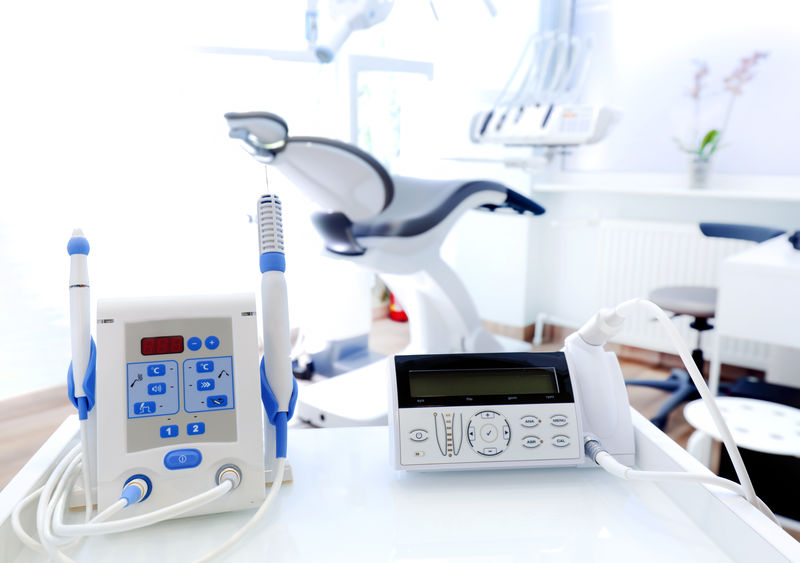
There is still work to be done, but digitalization offers a lot of convenience for private clinics and patients. Tools that actually improve care and office efficiency should be prioritized.
Running a successful private healthcare practice will become increasingly challenging. Keeping up with new regulations, managing patient records and coordinating care takes a lot of work and money. Thus fewer resources are available to treat patients directly. By 2020, EHR adoption among office physicians in the United States is approaching 90 percent, up from just 35 percent in 2007.
New digital health tools can simplify the workload of private clinics. In this article, we can look at how simple technological solutions can improve the flow of care for patients and physicians.
Why Digital Matters Now for Healthcare
Today’s patients expect on-demand service and instant access, similar to what they experience at other businesses. Such as being able to:
Schedule 24-hour online access
Video chat with the doctor at home
Check their phone for test results and care instructions
Text the office for routine questions
To further address these issues, private practices need digital tools to simplify and speed up these new forms of care.
Key Digital Solutions for Healthcare
Digital tools have become critical in healthcare, and this includes the use of mental health SOAP note-taking templates to improve patient care and record keeping. Here are some of the most useful technical tools for modern private practice:
Telehealth Apps
Allow patients to use a smartphone or computer for video visits. This makes check-in much more convenient for them.
Online Patient Portals
The portal allows patients to view their visit history and lab reports, request medication refills, and send messages to doctors.
Health Education Tools
You can provide videos and materials that clearly explain illness, care instructions, exercise and lifestyle tips to patients.
Digital Schedules
An online calendar that connects the entire office makes it easy to centrally schedule visits, procedures, and people.
Text-based Health Services
Let patients text to ask about their health and automatically get tips for self-care at home if something goes wrong.
Online Bill Pay
Accepting online payments and processing insurance claims digitally makes things faster and more accurate.
The Advantages of Digital Tools in Healthcare
There are great benefits to upgrading to digital:
Convenience – Patients can easily send messages to the office, refill medications, and access their records 24/7. Booking is just a click away.
Efficiency – Automated workflows for insurance claims, prescription refills, access summaries, and scheduling free employees from paperwork.
Accessibility – Online patient portals and video access expand access for people with limited mobility or transportation.
Continuity – Keeping health records in one place and providing care reminders and follow-up to improve coordination of ongoing care.
Communication – Easy text messages and video chats between visits keep patients engaged in their health every day.
Revenue – Digital insurance claims processing reduces errors and improves reimbursement time and accuracy.
Leveraging Digital Health Innovations to Enhance Private Practice Care
In the past, many private practice physicians relied solely on traditional office visits and paper records to care for patients. But today’s patients increasingly expect healthcare experiences comparable to other modern services – fast, convenient, mobile, and digitally driven. Private practices now face rising consumer demand for options like:
- Booking appointments online 24/7
- Video consultations from home
- Accessing test results and visit summaries via patient portals
- Messaging the doctor’s office through text and email
To keep up in this climate, embracing digital health tools tailored to their workflow needs has become essential for private practices aiming to deliver top-tier 21st-century care. It’s important to note that the right technology alone won’t address every challenge. But thoughtfully implemented solutions can drive major benefits including:
- Enhanced patient experiences – Online scheduling, telehealth, electronic intake forms, and accessible patient health records, available anytime on mobile devices, provide self-service convenience, thereby enhancing the practice’s reputation.
- Operational efficiency – Automating workflows for documentation, prescription refills, referrals, insurance claims processing, and billing eliminates tedious paper-based processes that waste staff time and harm productivity.
- Expanded patient access – Offering video visits and secure messaging options extends the practice’s reach to those unable to easily come onsite, whether due to mobility challenges or lack of transportation. This bridges care gaps.
- Proactive patient engagement – Providing online health education materials, care reminders, and wellness tips fosters an ongoing care dialogue that keeps patients adhering to treatment plans in between office visits.
- Enhanced care coordination – Integrated electronic health records, care pathway tracking tools, and interoperable data platforms prevent patients from falling through the cracks when seeing multiple providers.
For private practices, thoughtfully modernizing through the right digital health tools tailored to their needs and patient population enables delivering top-quality 21st-century care with greater productivity and higher patient satisfaction. The transition requires planning and patience but pays dividends for years to come.
Making the Switch to Digital More Smooth
Changing systems takes patience and planning. Here are some tips that help the process go smoothly:
- Get Staff Input – Ask what technology would make their jobs easier when picking new tools. They know the pain points best.
- Start Small – Focus first on high-impact changes like online scheduling or telehealth. Take it step by step.
- Train Thoroughly – Make sure staff is comfortable using new software before launch. Have refresher sessions after going live.
- Get Patient Feedback – Ask patients what digital tools they would find most useful such as online bill pay or text reminders.
- Promote New Capabilities – Let patients know about the convenient new options like video visits and health education materials now offered.
- Assess Progress – Survey both staff and patients on how the technology is helping. Look for areas that still need improvement.
The Future Looks Bright with Digital Health
While it takes effort to upgrade tools, going digital has huge benefits for private practice efficiency, care, and growth. Patients are happier with convenient options like texting the office, doing video visits, or checking test results on an app. Doctors save time on administration tasks, freeing up more time for patient care.
Simple digital solutions customized to each practice’s needs can make a difference in care. Private practices that embrace digital tools are positioning themselves well to provide top-notch medical care both now and long into the future.
FAQs (Frequently Asked Questions)
How can I make my website better for patients?
Make sure it works well on phones, allows online appointment booking, and has useful health resources like videos. These features improve convenience.
What percentage of patients prefer digital options?
Surveys show over 70% of patients want digital tools for tasks like contacting the office, scheduling visits, or paying bills online. Offering digital capabilities improves patient satisfaction.
How do I choose which digital health tools to get?
Focus on fixing major workflow pain points first. For example, look for tools that reduce call volume or paperwork time since those are common bottlenecks.
Can older patients use digital health tools?
Yes, many senior patients enjoy the independence and convenience of managing their health digitally. With some extra teaching, telehealth, health apps, and portals can serve patients of all ages.
Final Thoughts
While it takes effort, going digital provides major benefits for private practices and patients. Prioritizing tools that tangibly enhance care and office efficiency leads to success.